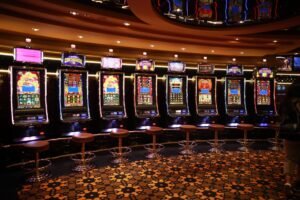

Step across the threshold of a major resort gaming floor and your senses immediately enter a carefully scripted world. Nothing about the curved walkways, warm amber glow, or musical chime of nearby machines happens by accident. Studying casino architecture and behavior reveals how physical space quietly nudges players to stay longer and wager more comfortably. Designers treat every square foot as an emotional instrument. From carpet patterns to ceiling heights, the room itself shapes your pace before you ever reach a table.
Players who prefer calm, predictable sessions often practice bankroll discipline with online baccarat from home, where a phone screen clearly displays the time and balance. By contrast, brick-and-mortar resorts remove external time cues to create an unbroken bubble of leisure. Therefore, recognizing how physical environments influence focus helps you enjoy the spectacle without losing track of your budget.
In 2026, resort architects blend classic psychological principles with newer hospitality trends like biophilic atriums and programmable LED canopies. Understanding those design choices turns you from a passive visitor into a sharp, self-aware guest.
The Science Behind Casino Architecture and Behavior
For decades, gaming floor planners relied on Bill Friedman’s classic labyrinth model, which packed low-ceilinged rooms with tight rows of machines and zero clear sightlines to exits. That maze-like layout forced guests to wind past dozens of glowing cabinets just to reach a restaurant or elevator. Curiosity did the rest. Every turn exposed players to new games, bright jackpots, and social energy.
However, modern 2026 properties increasingly balance that classic maze philosophy with Roger Thomas’s open, resort-style aesthetic. High ceilings, luxury retail corridors, and indoor garden courtyards reduce claustrophobia while still guiding foot traffic along curved paths. Straight hallways rush people forward, whereas gentle arcs slow walking speed and invite spontaneous stops.
A well-designed gaming floor never locks the doors; it simply makes every turn inside feel more inviting than the exit.
Furthermore, bold swirling carpet patterns serve a very deliberate purpose beneath your feet. Designers choose high-contrast, intricate motifs that keep eyes lifted toward eye-level slot screens and table signage while hiding dropped chips or spills. Even the placement of cashiers and restrooms deep inside the floor ensures players walk past active pits twice on every errand.
Timeless Floors and Circadian Lighting Tricks
Look around any traditional casino pit and try spotting a wall clock or an unobstructed window facing the street. You will rarely find either. Eliminating natural daylight and visible timepieces suspends normal daily schedules, making two in the afternoon feel identical to two in the morning.
In 2026, lighting engineers take this concept even further using tunable circadian LED systems. During late evening hours, overhead fixtures subtly shift toward crisp, cooler color temperatures that mimic morning sunlight and suppress natural melatonin production. Consequently, players feel alert and energized long past their usual bedtime.
-
Warm amber and gold tones around table pits create an intimate, welcoming atmosphere that encourages relaxed conversation.
-
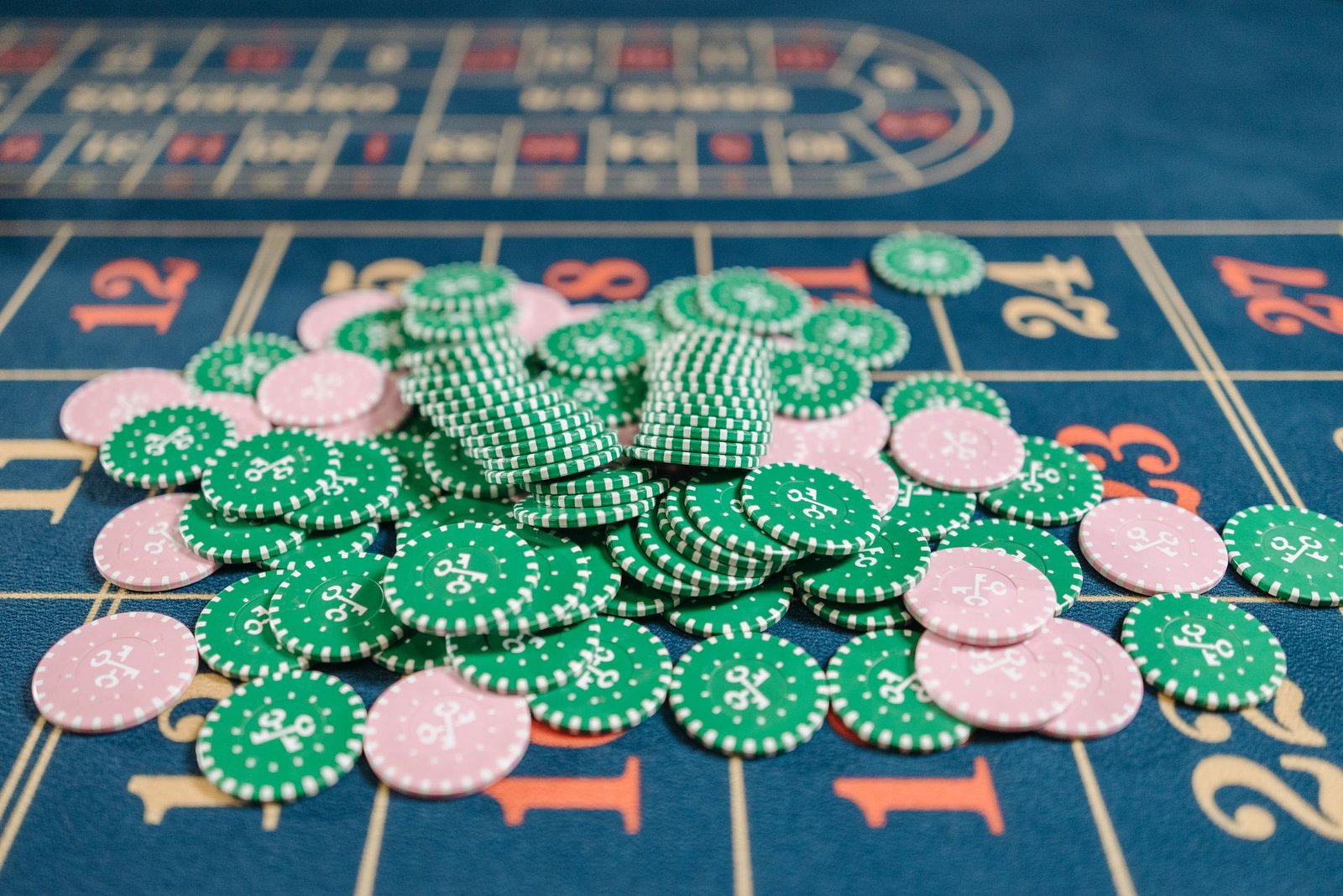
Brighter, focused spotlights illuminate card felt and roulette wheels so chips and numbers remain effortless to read.
-
Transitional lighting near hotel elevators gradually softens brightness so guests never feel jarred when moving between zones.
Meanwhile, climate control systems pump brisk, oxygen-rich air across crowded pits to counteract sluggishness. Staying physically comfortable removes common cues that normally prompt people to wrap up an evening.

How Sound Design Engineers Momentum on the Floor
Visuals attract your attention first, yet audio engineering does the heavy lifting once you sit down. Modern slot cabinets and electronic stadium terminals tune their celebratory chimes to pleasant musical keys, frequently C major, creating a continuous harmonic hum across the room. Even small partial wins trigger upbeat jingles that sound indistinguishable from major payouts.
Additionally, directional acoustic domes mounted above specific gaming zones focus energetic soundscapes onto active players while keeping nearby walkways comfortable. Hearing frequent coin-drop effects and applause nearby triggers powerful social proof. Your brain naturally assumes everyone around you is winning.
Why Near-Miss Audio Keeps Fingers Pressing Spin
Sound designers carefully calibrate audio cues when two jackpot symbols land on the first two reels and the third stops just one notch short. Rising pitch sweeps build tension that tricks the nervous system into treating a loss like an almost-win. Recognizing that audio illusion stops you from raising your bet out of false excitement. Sound shapes impulse fast.
Practical Lessons From Casino Architecture and Behavior
Real-world awareness starts the moment you walk onto a resort property. Consider a practical scenario where a traveler arrives in Las Vegas for a three-day weekend with a six-hundred-dollar gaming budget. Without time cues, a quick pre-dinner stop at a blackjack table easily stretches past midnight, burning half the weekend bankroll on night one.
-
Wear a wristwatch or enable hourly vibration alerts on your phone so timeless rooms never erase your schedule.
-
Map out direct routes to restaurants, restrooms, and cashier cages upon arrival instead of wandering aimlessly through machine banks.
-
Step outside into natural daylight or a quiet lobby lounge every ninety minutes to reset your sensory baseline.
-
Carry only your single-session buy-in to the pit while leaving the remainder of your trip funds locked safely upstairs.
Moreover, pay close attention to subtle sensory fatigue. When loud machine chimes start sounding irritating or bright carpet patterns feel dizzying, your focus has already begun slipping. Walking away at that exact moment preserves both your energy and your chips.
Navigating Digital Lobbies Built With Similar Cues
Online casino interfaces borrow heavily from physical casino architecture and behavior through autoplay loops, celebratory animations, and hidden clock displays. Enabling built-in reality-check timers and deposit limits recreates the exact healthy boundaries that physical floors omit. Setting session caps beforehand keeps convenience from turning into fatigue.
Ultimately, appreciating casino architecture and behavior makes every visit far more enjoyable. Because modern casino architecture and behavior blend lighting, acoustics, and spatial flow so seamlessly, players benefit enormously from carrying their own internal compass. Keep a watch on your wrist, honor strict session alarms, and let conscious discipline guide your play rather than the room around you.